
What Causes Varicose Veins and Are Varicose Veins Hereditary?
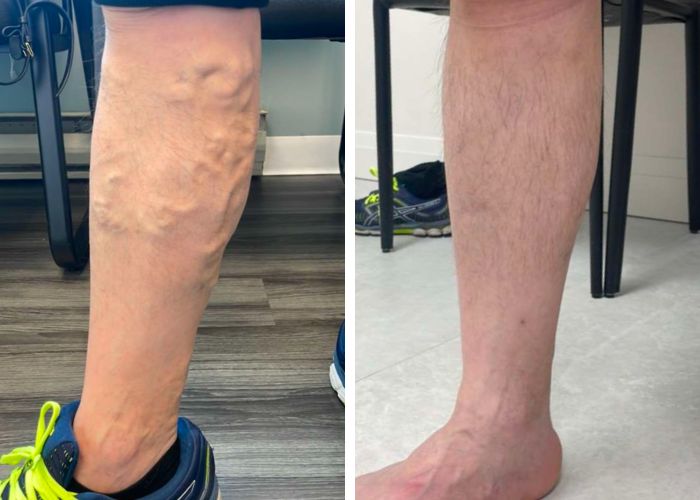
Varicose veins are enlarged, twisted, or bulging veins that commonly appear on the legs. For some people, they may be primarily a cosmetic concern, while others experience aching, heaviness, swelling, itching, or discomfort alongside visible veins.
If several people in your family have varicose veins, you may also wonder whether you are more likely to develop them. Genetics can play a role, but family history is only one of several factors that may influence your risk.
At Atrium Vascular, we provide specialized vascular services for referred patients from Richmond Hill, Markham, Vaughan, Aurora, Scarborough, North York, and communities throughout the Greater Toronto Area (GTA).
What Causes Varicose Veins?
To understand why varicose veins develop, it helps to understand how the veins in your legs work.
Veins return blood from the legs toward the heart. Because blood must travel upward against gravity, small one-way valves inside the veins help prevent it from flowing backward.
everyday activities comfortably.
When these valves do not function effectively, some blood can flow backward and collect within the veins. This can increase pressure and cause affected veins to become enlarged, twisted, or more visible beneath the skin.
Varicose veins can develop differently from one person to another. Their appearance alone does not necessarily indicate the severity of an underlying vein condition.
Are Varicose Veins Hereditary?
Family history can influence your likelihood of developing varicose veins. Some people may inherit characteristics that affect the strength or function of their vein walls and valves, potentially making them more susceptible to venous problems.
This does not mean that having a parent or other family member with varicose veins guarantees that you will develop them.
Similarly, not having a known family history does not mean you cannot develop varicose veins. Genetics are one part of a broader combination of factors that can influence vein health.
If varicose veins are common in your family, being aware of changes in your own legs may help you recognize symptoms worth discussing with your healthcare provider.
What Other Factors Can Contribute to Varicose Veins?
In addition to family history, several factors may influence the development of varicose veins. Age-related changes can affect the valves and walls of veins over time. Pregnancy can place additional pressure on the veins and alter blood flow, while prolonged periods of standing or sitting may also affect circulation in the lower extremities.
Other individual health and lifestyle factors can contribute as well. Varicose veins usually cannot be explained by a single cause, and risk factors do not mean that someone will necessarily develop them.
What Do Varicose Veins Look and Feel Like?
Varicose veins often appear as enlarged, raised, twisted, or rope-like veins beneath the skin. They may look blue, purple, or darker than the surrounding area.
Some people experience few symptoms beyond the visible veins. Others may notice aching, throbbing, heaviness, itching, tired legs, or swelling around the lower legs and ankles. Symptoms may become more noticeable after spending extended periods standing or sitting. Changes in the skin around the lower legs can also occur in some people with more significant venous problems.
Because visible veins and leg discomfort can have different causes, a professional assessment is necessary to determine whether an underlying vascular condition is present.
When Should You Have Varicose Veins Assessed?
Consider speaking with your healthcare provider if your varicose veins are associated with persistent aching, heaviness, swelling, itching, skin changes, or discomfort that interferes with everyday activities.
It may also be worth discussing visible veins that are becoming increasingly prominent or symptoms that consistently worsen after prolonged periods of sitting or standing.
Sudden significant leg swelling or pain, unusual warmth or changes in the colour of a leg, chest pain, or difficulty breathing may require urgent medical attention.
How Can a Vascular Specialist Assess Varicose Veins?
If your healthcare provider suspects an underlying venous problem, referral to a vascular specialist may be appropriate.
A vascular assessment may include a discussion about your symptoms, family history, when your veins first became noticeable, and whether they have changed over time. A physical examination can help assess visible veins, swelling, skin changes, and other relevant findings.
When clinically appropriate, vascular testing may also be recommended to evaluate blood flow and vein function. The appropriate assessment and care options depend on each patient’s individual circumstances.
What Makes Us Unique
At Atrium Vascular, we recognize that varicose veins can present differently from one patient to another. Our approach emphasizes specialized vascular expertise, individualized assessment, patient-centred care, and clear communication.
For referred patients, we consider symptoms, clinical findings, family history, and relevant vascular factors when determining appropriate next steps. Our goal is to help patients understand their vascular health and available care options when an underlying vascular condition is identified.
Atrium Vascular provides specialized vascular services for referred patients from Richmond Hill, Markham, Vaughan, Aurora, Scarborough, North York, and communities throughout the Greater Toronto Area.
Have Questions About Our Vascular Services?
A medical referral is required to see Dr. Sydney Wong. If you have varicose veins, a family history of vein problems, or symptoms that you would like medically assessed, please speak with your family physician or primary healthcare provider about whether a referral to Dr. Sydney Wong is appropriate for you.
If your symptoms are sudden, severe, or rapidly worsening, seek appropriate urgent medical attention rather than waiting for a referral.