
Live Longer. Live Better. Proactive Steps for Strong Vascular Health
Healthy blood vessels play an essential role in delivering oxygen and nutrients throughout the body. Over time, conditions such as high blood pressure, high cholesterol, diabetes, smoking, and physical inactivity can increase the risk of vascular disease, including peripheral artery disease, carotid artery disease, and aneurysms.
Taking care of your vascular health is therefore about more than responding to symptoms. It also means understanding your risk factors, maintaining healthy daily habits, attending appropriate medical checkups, and seeking medical assessment when concerning symptoms develop.
At Atrium Vascular, referred patients can access specialized vascular assessment under vascular surgeon Dr. Sydney Wong, with care based on individual symptoms, medical history, risk factors, and diagnostic findings.
What Does Vascular Health Mean?
Your vascular system includes the network of arteries and veins that carries blood throughout the body.Arteries transport oxygen-rich blood away from the heart, while veins return blood toward it. Problems affecting these vessels can interfere with circulation and, depending on the condition and location, may have significant health consequences.
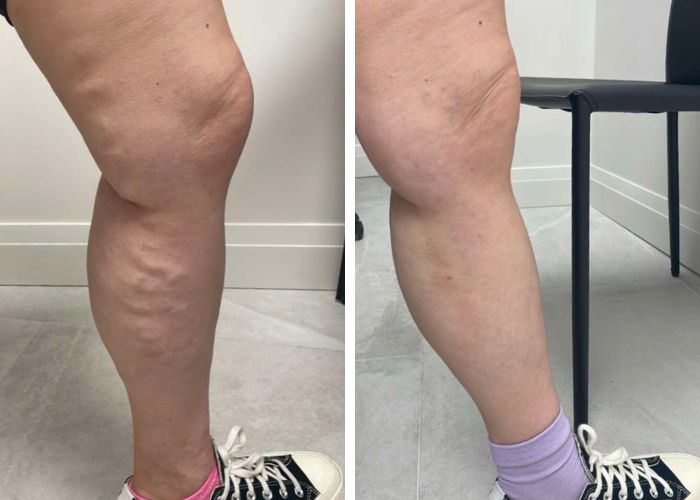
For example, peripheral artery disease can reduce blood flow to the limbs, while carotid artery disease can increase stroke risk. Aneurysms involve weakening and enlargement of an artery, and chronic venous insufficiency affects how effectively blood returns from the legs.
Strong vascular health therefore involves protecting both arterial and venous circulation.
Know Your Blood Pressure
High blood pressure can damage blood vessels over time and is a major risk factor for cardiovascular and vascular disease.
Because hypertension frequently causes no obvious symptoms, having your blood pressure checked as recommended by your healthcare provider is important.
If you have high blood pressure, work with your healthcare team to understand your individual targets and management plan. Depending on your circumstances, this may involve dietary changes, physical activity, medication, or a combination of strategies.
Do not wait for symptoms before paying attention to blood pressure.
Understand Your Cholesterol
Cholesterol is another important part of vascular health. Elevated levels of certain cholesterol-containing particles can contribute to the development of atherosclerosis, where plaque accumulates within artery walls. Over time, this can narrow arteries and reduce blood flow. Your healthcare provider can use blood testing and your broader health history to evaluate cardiovascular risk and determine whether lifestyle changes, medication, or other management may be appropriate.
Rather than focusing on a single cholesterol number, discuss what your results mean within your overall risk profile.
Keep Moving
Regular physical activity can support cardiovascular health, mobility, and overall well-being.
For many adults, Canada’s 24-Hour Movement Guidelines recommend at least 150 minutes of moderate-to-vigorous aerobic physical activity per week, along with muscle-strengthening activities at least twice weekly. The appropriate amount and type of activity can vary based on individual health and ability.
Walking can be a practical way to incorporate movement into everyday life. Breaking up long periods of sitting can also help reduce sedentary time. If you have significant leg pain, cardiovascular disease, or another condition affecting your ability to exercise, ask your healthcare provider what level of activity is appropriate.
Make Food Choices That Support Vascular Health
Diet can influence blood pressure, cholesterol, blood sugar, and body weight—all of which can affect cardiovascular health.
A balanced eating pattern generally emphasizes vegetables and fruit, whole grains, and protein foods while limiting highly processed foods. Canada’s Food Guide also recommends making water your drink of choice.
Rather than relying on supplements or foods marketed as “circulation boosters,” focus on sustainable dietary habits and discuss individual nutritional requirements with an appropriate healthcare professional.
Know When Symptoms May Be an Emergency
Some vascular symptoms require immediate medical attention rather than a routine appointment.
Sudden weakness or numbness, facial drooping, difficulty speaking, or other possible signs of stroke require emergency care. Sudden severe chest or abdominal pain, a suddenly cold, pale, painful or numb limb, or sudden significant one-sided leg swelling can also indicate serious medical problems.
Call emergency services when symptoms suggest a potentially life-threatening condition.
What Makes Us Unique
At Atrium Vascular, vascular health is considered within the broader picture of each patient’s circulation, symptoms, medical history, and individual risk factors.
Our approach emphasizes specialized vascular expertise, individualized assessment, appropriate diagnostic evaluation, patient-centred communication, and evidence-informed treatment planning.
For referred patients, Atrium Vascular provides access to assessment under Dr. Sydney Wong, allowing vascular concerns to be evaluated and appropriate management options discussed according to individual circumstances.
Take a Proactive Approach to Your Vascular Health
A medical referral is required to see Dr. Sydney Wong. If you have persistent leg symptoms, circulation concerns, or another vascular issue and would like to be medically assessed, please speak with your family physician or primary healthcare provider about whether a referral to Dr. Wong is appropriate.
The clinic can answer questions regarding available services and the referral process. Decisions regarding vascular screening, diagnosis, prevention strategies, or treatment require individualized medical assessment.