
Finding EVLA and EVLT Specialist Services in Richmond Hill
If you are searching for an EVLA or EVLT specialist in Richmond Hill, it is important to look beyond whether a clinic simply advertises varicose vein treatment. Endovenous laser procedures are medical treatments for certain forms of venous disease, and appropriate care begins with determining whether the symptoms and veins involved are suitable for laser ablation.
Endovenous laser ablation (EVLA) and endovenous laser treatment (EVLT) are terms commonly used for the same general type of minimally invasive laser procedure. A thin laser fibre is positioned inside a targeted superficial vein, and controlled thermal energy is used to close the problematic vessel.
Atrium Vascular Associates in Richmond Hill provides specialist vascular care led by vascular surgeon Dr. Sydney Wong, including endovenous laser ablation for varicose veins and venous insufficiency. The clinic’s current information confirms that EVLA is among its vein treatment services.
What Are EVLA and EVLT?
EVLA and EVLT both refer to endovenous laser therapy used to close certain problematic superficial veins. During the procedure, ultrasound guidance is used to position a laser fibre inside the targeted vein. Laser-generated heat causes the vein to close. Blood is then redirected through other functioning veins, while the treated vessel undergoes changes over time.
Unlike traditional vein stripping, the targeted vein does not need to be surgically pulled from the leg.
At Atrium’s Richmond Hill centre, EVLA is performed on an outpatient basis, according to the clinic’s current treatment information.
Why Look for a Vascular Specialist for EVLA?
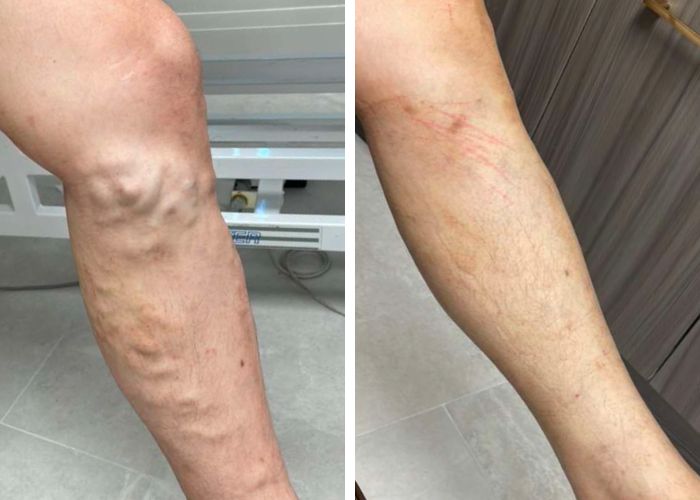
Varicose veins can be more complicated than their visible appearance suggests.
A bulging vein at the skin’s surface may be connected to an underlying refluxing vein. Symptoms such as aching, swelling, heaviness, itching, skin changes, or persistent lower-leg discomfort may also warrant assessment for venous disease.
A vascular specialist can evaluate the broader circulatory system rather than focusing exclusively on the visible vein.
Dr. Sydney Wong is certified in vascular surgery by the Royal College of Physicians and Surgeons of Canada. His listed specialty expertise includes venous insufficiency and varicose vein management, including EVLA and other minimally invasive approaches. The College of Physicians and Surgeons of Ontario also lists his vascular surgery specialty and Richmond Hill practice location.
What Should You Look for in an EVLA or EVLT Service?
Finding an appropriate service involves more than searching for “laser vein treatment near me.”
Patients may want to consider whether the provider has vascular expertise, evaluates the underlying cause of varicose veins, uses appropriate diagnostic imaging, offers follow-up care, and can discuss alternative treatment options when laser ablation is not suitable.
At Atrium Vascular, vascular assessment may include ultrasound and other diagnostic testing to better understand blood flow and determine an individualized treatment plan.
This matters because not every visible vein requires EVLA, and not every patient with varicose veins is automatically an appropriate candidate.
What Happens During an EVLA Assessment?
Assessment generally begins with understanding the patient’s symptoms, medical history, and vein concerns.
Depending on the circumstances, duplex ultrasound may be used to evaluate blood flow and determine whether venous reflux is present. The findings can help identify which veins are functioning normally and which may be contributing to symptoms.
Dr. Wong’s EVLA service specifically evaluates symptoms, ultrasound findings, and overall vein health when determining whether endovenous laser treatment is appropriate.
Treatment recommendations can then be based on the underlying vascular findings rather than appearance alone.
Does Everyone With Varicose Veins Need EVLA?
No.
Some patients may benefit from conservative approaches such as compression therapy or lifestyle modifications. Other vein patterns may be better suited to sclerotherapy, another endovenous closure method, surgery, or a combination of approaches.
For example, Atrium currently lists EVLA, sclerotherapy, varicose vein surgery, and compression therapy among its vein-care services.
The objective is not to choose laser treatment simply because it is minimally invasive. It is to determine which approach appropriately addresses the patient’s specific vascular condition.
What Happens After EVLA?
EVLA is generally an outpatient procedure, meaning patients can typically return home after treatment rather than staying overnight in hospital.
Walking and other recovery instructions will depend on the individual treatment plan. Temporary bruising, tenderness, tightness, or soreness may occur as the treated area heals.
Follow-up is also an important part of care. Atrium’s EVLA information currently describes a follow-up visit with the surgeon to assess the response to treatment and determine whether remaining smaller varicosities require further management.
Patients should follow the recovery instructions provided by their treating healthcare team rather than relying on a universal recovery schedule.
What Makes Us Unique
At Atrium Vascular, vein care is centred on identifying the underlying vascular problem before recommending treatment. Dr. Sydney Wong has specialty training in arterial and venous surgery and provides minimally invasive treatment for venous insufficiency and varicose veins, including EVLA.
The clinic emphasizes individualized assessment, diagnostic evaluation, treatment planning, and continued follow-up rather than treating the procedure as an isolated appointment.
Looking for EVLA or EVLT Services in Richmond Hill?
If you have questions about the vascular services available at Atrium Vascular, including EVLA services in Richmond Hill, the clinic can provide information about its services and explain the referral process.
If you would like a medical assessment by Dr. Sydney Wong, please speak with your family physician or primary healthcare provider about obtaining a referral. The clinic can answer questions regarding available services and the referral process, but determining whether EVLA, EVLT, or another vascular treatment is appropriate requires an individualized medical assessment.