
Limb salvage procedures treat severe circulation problems, non-healing wounds, and threatened amputations by restoring blood flow and promoting healing. At Atrium Vascular Associates, board-certified vascular and endovascular surgeon Dr. Sydney Wong guides you through personalized care to help you save a limb and preserve mobility.
Prevent Amputation and
Preserve Limb Function
Limb salvage procedures aim to prevent amputation when blood flow, infection, or tissue damage threatens the health of an arm or leg. These procedures address the root causes of limb-threatening conditions, most often poor blood circulation, while supporting healing, function, and long-term limb preservation through a coordinated, comprehensive approach.
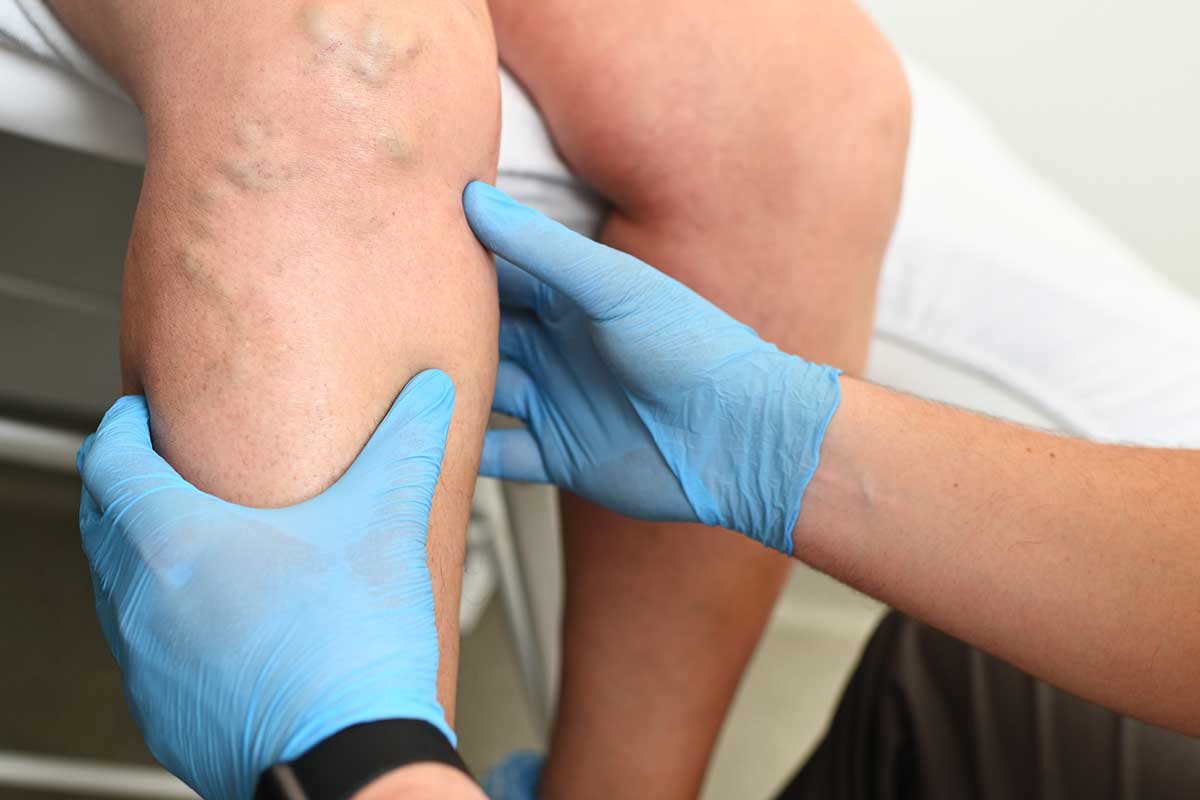
Why Do You Need Limb Salvage Procedures?
Limb salvage procedures treat advanced circulation problems that threaten the health of your leg or foot, often caused by PAD, diabetes, severe infection, or trauma. When blood flow is reduced, wounds may not heal, and tissue can become damaged or infected. Limb salvage focuses on restoring circulation, controlling infection, and supporting healing to prevent amputation and preserve mobility.
You may need limb salvage procedures if:
- You have severe peripheral artery disease that limits blood flow to your leg or foot
- You have non-healing wounds, ulcers, or infections that are worsening
- You experience rest pain, skin breakdown, or tissue loss from poor circulation
- You have gangrene or signs of critical limb ischemia
- You have diabetes-related complications affecting circulation and wound healing
Limb Salvage Procedures
Revascularization
Revascularization aims to restore healthy blood flow to the affected limb, enabling oxygen and nutrients to reach damaged tissues. This may involve minimally invasive techniques such as angioplasty or stenting, or open surgical bypass when necessary. Improving circulation is essential to relieve pain, support wound healing, and reduce the risk of limb loss.
Wound Care and Infection Management
Wound care and infection management treat ulcers, open sores, gangrene, and deep infections that occur when circulation is impaired. Care may include debridement, targeted antibiotics, and specialized wound therapies. Controlling infection and protecting surrounding tissue are critical to preventing progression, which could otherwise lead to amputation.
Tissue Repair and Reconstruction
Tissue repair and reconstruction address areas where skin, muscle, or soft tissue has been damaged or lost due to non-healing wounds. This may involve surgery, removal of nonviable tissue, or advanced techniques such as skin grafting. The goal is to create a stable, healthy environment that allows wounds to close and the limb to function properly.
Ongoing Monitoring and Risk Reduction
Ongoing monitoring and risk reduction help protect the limb after treatment by addressing the root causes of vascular disease. This includes follow-up imaging, medication management, and the management of conditions such as diabetes, high blood pressure, and high cholesterol. Lifestyle changes also play a key role in preventing future circulation problems.
Why Choose Dr. Sydney Wong?
Dr. Sydney Wong is a board-certified vascular and endovascular surgeon with extensive experience managing complex limb-threatening conditions. He approaches limb salvage by carefully evaluating blood circulation, wound severity, and overall health to determine the most appropriate combination of minimally invasive and surgical treatments. By remaining involved throughout recovery, Dr. Wong helps preserve mobility, support healing, and help you avoid amputation whenever safely possible.

Benefits of Limb Salvage Procedures
Limb salvage procedures offer a comprehensive approach to protecting an at-risk limb by addressing circulation, infection, and healing together rather than focusing on a single issue.
When appropriate, these treatments may provide meaningful benefits such as:
- Avoid or delay amputation by restoring blood flow
- Support healing of chronic wounds and ulcers
- Reduce pain caused by poor circulation or infection
- Preserve mobility, balance, and independence
- Address the underlying vascular disease contributing to limb damage
Limb Salvage Procedures FAQs
How Long Does Recovery Take After Limb Salvage Treatment?
Recovery varies depending on the severity of your condition and the treatments involved. Some minimally invasive procedures allow you to resume light activities within days, while more complex surgeries or wound healing may take weeks to months. Ongoing follow-up is an important part of recovery, as healing continues even after blood flow has been restored.
Can Limb Salvage Procedures Prevent Future Amputations?
Limb salvage procedures aim to reduce the risk of amputation by restoring circulation, but they are not a guarantee of success. Long-term success depends on careful follow-up, managing underlying conditions such as diabetes or high blood pressure, and addressing lifestyle factors. Continued monitoring enables early identification and the treatment of recurring problems.
How Can You Manage the Risk of Limb Loss After Limb Salvage Treatment?
Managing the risk of limb loss requires ongoing attention to both circulation and overall health.
You can protect your limb by following a long-term care plan that may include:
- Controlling blood sugar, blood pressure, and cholesterol to reduce stress on your arteries
- Taking prescribed medications, including antiplatelet or cholesterol-lowering therapy
- Stopping smoking to improve blood circulation and support healing
- Inspecting your feet and legs regularly for wounds, color changes, or new pain
- Attending scheduled follow-up visits and imaging to monitor blood flow
- Reporting symptoms early, such as non-healing wounds or worsening leg pain
Schedule Your Consultation
Atrium Vascular Associates is committed to providing thoughtful, individualized vascular care focused on preserving mobility and long-term limb health. Located in Richmond Hill, we proudly serve patients throughout the Greater Toronto Area with comprehensive evaluation, clear guidance, and ongoing support. Schedule your consultation today.