
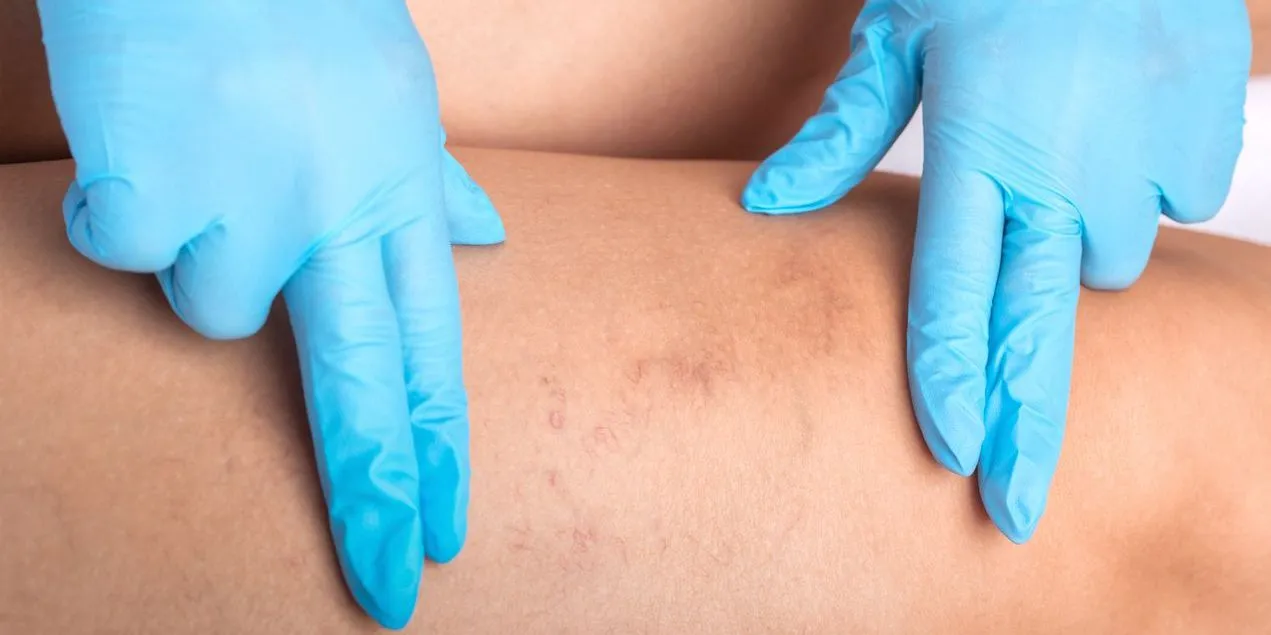
Minimally Invasive Treatment for Varicose Veins
Varicose veins can sometimes cause ongoing discomfort when the veins are affected by poor valve function and abnormal blood flow. Symptoms may include leg aching, heaviness, swelling or tiredness that becomes more noticeable after standing or being active. Endovenous Laser Ablation (EVLA) Newmarket is a minimally invasive treatment that may be appropriate for selected patients whose varicose veins are associated with venous reflux. At Atrium Vascular Associates, Dr. Sydney Wong, M.D., FRCSC, assesses the underlying vascular condition before recommending an appropriate treatment option.

When Varicose Veins Need More Than Cosmetic Treatment
The presence of visible veins does not always mean medical treatment is necessary. However, enlarged veins accompanied by persistent symptoms can sometimes indicate an underlying venous circulation problem.
When the valves within a vein fail to work effectively, blood can move backwards and increase pressure within the vessel. This may contribute to:
- Aching or throbbing in the legs
- Heaviness or tiredness
- Swelling around the ankles
- Discomfort after prolonged standing
- Enlarged or twisted veins
- Leg symptoms that worsen later in the day
- Certain skin changes associated with chronic venous disease
For patients whose symptoms are connected to reflux, Endovenous Laser Ablation (EVLA) Newmarket may be considered following an appropriate vascular evaluation.
Understanding Venous Reflux
Veins use valves to help keep blood moving towards the heart. When these valves become weakened or damaged, they may not close properly between heartbeats. Blood can then travel backwards and collect within the affected vein.
This abnormal backward movement is called venous reflux. Increased pressure within the vein may contribute to enlargement and the development of symptomatic varicose veins.
When required, specialized vascular ultrasound, Ankle-Brachial Index (ABI) testing, and CTA imaging can be arranged through appropriate diagnostic facilities to assess blood flow and identify the underlying cause of symptoms.
Identifying the source of abnormal blood flow is an important part of deciding whether Endovenous Laser Ablation (EVLA) Newmarket is an appropriate treatment.
How EVLA Fits Into Modern Vein Care
Endovenous Laser Ablation (EVLA) Newmarket uses controlled thermal energy to close a vein affected by reflux. Instead of surgically removing the vessel, the treatment is performed from inside the vein through a small catheter.
Ultrasound guidance allows the physician to position the catheter accurately within the targeted vessel. A narrow laser fibre is then introduced through the catheter, delivering controlled heat to the vein wall.
The treated vein closes, and blood can subsequently travel through healthier veins. This minimally invasive technique provides a way to address abnormal venous flow without traditional vein-removal surgery.
Could EVLA Be Suitable for Your Veins?
Laser ablation is not appropriate for every person with varicose veins. The suitability of Endovenous Laser Ablation (EVLA) Newmarket depends on the characteristics of the affected vein, the presence of reflux, the patient’s symptoms and overall vascular health.
EVLA may be considered when:
- A specific vein has been identified as contributing to reflux.
- Varicose veins are causing ongoing symptoms.
- The affected vessel is suitable for an endovenous procedure.
- Conservative management has not adequately controlled symptoms.
- Clinical assessment supports treatment.
A vascular specialist can review these factors and explain whether EVLA or another treatment approach is appropriate.
Before Treatment
Before Endovenous Laser Ablation (EVLA) Newmarket, your symptoms and medical history are reviewed alongside relevant vascular findings. You may discuss the location of your varicose veins, how long symptoms have been present, whether swelling occurs and whether your symptoms change with standing or activity.
The condition and anatomy of the affected veins are also considered. This helps create a treatment plan that addresses the underlying venous problem rather than simply focusing on the visible appearance of the veins.
During Treatment
During Endovenous Laser Ablation (EVLA) Newmarket, ultrasound guidance is used to help the physician locate and treat the targeted vein.
Local anaesthetic is generally used around the treatment area. A small access point allows a catheter to be introduced into the affected vessel. A fine laser fibre is then guided through the catheter and positioned within the vein.
Controlled laser energy is delivered along the treatment area. The resulting heat causes the vein to close, allowing blood to redirect through healthier veins.
The details of the procedure can vary depending on the patient’s individual vein anatomy and the vessel being treated.
After Treatment
Recovery following Endovenous Laser Ablation (EVLA) Newmarket is generally intended to involve less disruption than traditional surgical treatment. Many patients are able to walk following the procedure and return to light daily activities relatively soon.
Aftercare recommendations may include:
- Walking according to your physician’s instructions
- Using compression stockings if recommended
- Temporarily avoiding strenuous exercise
- Monitoring the treated area
- Following recommended follow-up care
Every patient recovers differently. Your physician will advise you about when to resume exercise, physically demanding work and other activities.
What Happens to the Treated Vein?
After Endovenous Laser Ablation (EVLA) Newmarket, the treated vein remains closed rather than being removed through conventional surgery.
Blood can be redirected through healthier veins within the leg, while the body gradually processes the closed vessel. The objective is to reduce abnormal blood flow through the targeted vein while preserving normal circulation elsewhere.
Since venous disease can involve multiple veins, treating one refluxing vessel does not necessarily prevent additional varicose veins from developing in the future.
EVLA Compared With Other Vein Treatments
The appropriate treatment for varicose veins depends on the patient’s condition and the underlying cause of the symptoms. Alternatives to Endovenous Laser Ablation (EVLA) Newmarket may be considered when clinically appropriate.
Compression Therapy
Compression stockings provide support to the legs and may help manage swelling and other symptoms associated with venous disease. They can be useful as conservative care but do not directly close a vein affected by reflux.
Sclerotherapy
Sclerotherapy uses an injectable solution to encourage selected veins to close. It may be suitable for certain smaller veins or particular patterns of venous disease.
Surgical Treatment
Traditional vein surgery can involve removing or tying off problematic vessels. For appropriately selected patients, Endovenous Laser Ablation (EVLA) Newmarket offers a minimally invasive method of closing a refluxing vein without surgically removing it.
A vascular assessment can help identify which approach best matches the patient’s individual circumstances.
Why Choose Dr. Sydney Wong?
Dr. Sydney Wong, M.D., FRCSC, is a Canadian board-certified vascular and endovascular surgeon and a Fellow of the Royal College of Surgeons of Canada. He is also a Registered Physician in Vascular Interpretation (RPVI).
At Atrium Vascular Associates, treatment recommendations are based on individual symptoms, vascular findings and the characteristics of the affected veins. Patients from Newmarket considering Endovenous Laser Ablation (EVLA) Newmarket can discuss their condition with Dr. Wong and learn whether laser ablation may be appropriate.
Frequently Asked Questions (FAQs)
Is EVLA painful?
Local anaesthetic is generally used during Endovenous Laser Ablation (EVLA) Newmarket to help maintain comfort during treatment. Some patients may notice pressure, warmth or other sensations during the procedure.
Can I walk after EVLA?
Walking is commonly recommended after treatment when medically appropriate. Your physician will provide specific instructions about activity following the procedure.
How quickly can I return to normal activities?
Many patients can resume light everyday activities relatively soon after treatment. The appropriate time to return to strenuous exercise or physically demanding activities varies according to individual recovery.
Will I need compression stockings?
Compression stockings may be recommended after Endovenous Laser Ablation (EVLA) Newmarket. Your physician will determine whether they are suitable and explain how they should be used.
Is EVLA a permanent treatment?
The treated vein is closed, but venous disease may affect other vessels. New reflux or varicose veins can develop over time, so closing a particular vein does not guarantee that future vein problems will not occur.
Is laser ablation suitable for everyone?
No. Endovenous Laser Ablation (EVLA) Newmarket is intended for appropriately selected patients. The affected vein’s anatomy, vascular findings, symptoms and overall health all need to be considered before treatment.
Take the Next Step Towards Better Vein Health
Persistent leg aching, heaviness, swelling or prominent varicose veins can sometimes be signs of an underlying venous circulation problem. Learning what is causing these symptoms can help you understand which treatment options may be available.
If you are considering Endovenous Laser Ablation (EVLA) Newmarket, Atrium Vascular Associates can provide a vascular assessment and discuss an individualized treatment plan. Dr. Sydney Wong can evaluate your condition and determine whether laser ablation or another approach may be suitable for your needs.